 is here! Shop now, pay later in 4 easy instalments


Pull the intake manifold off a modern diesel with 150,000km on it and you'll often find the ports half blocked with a black, tar-like paste. Nobody put it there. The engine made it out of two things it was designed to breathe back in.
A catch can deals with one of them. For most diesel 4x4 owners it's the cheapest piece of engine protection there is.
Where the gunk comes from
Every engine lets a little combustion gas slip past the piston rings into the crankcase. That gas picks up oil mist, and the engine vents it back into the intake to be burned. On its own, a light film of oil in the intake isn't a big problem.
Modern diesels also run exhaust gas recirculation (EGR). To cut emissions, the engine feeds some exhaust back into the intake, and diesel exhaust carries soot. Soot meets oil film, sticks, and builds up layer by layer. Over time the passages narrow and the engine gets less air than it should.
What a catch can does
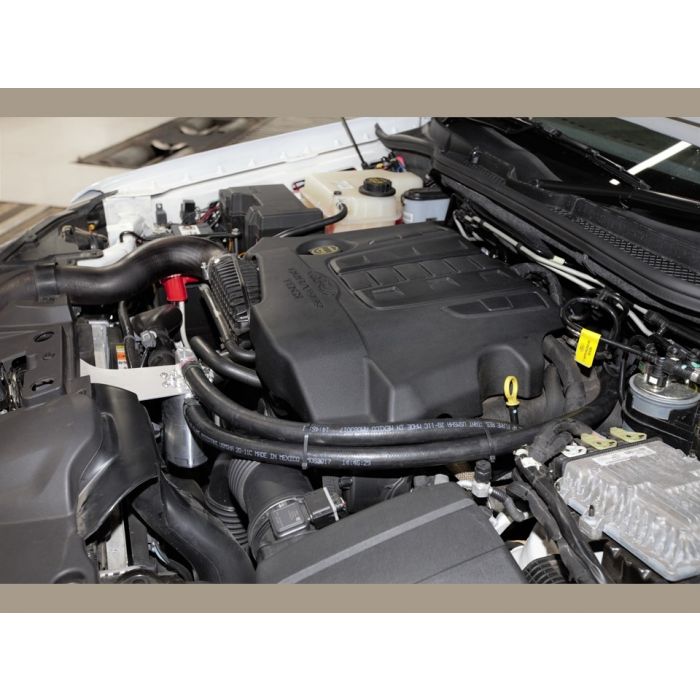
A catch can, more accurately called an oil separator, sits in the crankcase breather line before the intake. The vapour passes through a filter or a set of baffles, the oil drops out and collects in the can, and cleaner air carries on to the engine.
It doesn't touch the EGR system and it doesn't change how the engine runs. It removes the oil, and without oil the soot has much less to stick to.
Do you need one?
If you have a common-rail diesel with EGR, which covers nearly every diesel 4x4 sold in Australia in the last fifteen years or so, we think it's worth fitting. It matters most if you plan to keep the vehicle a long time, because the build-up is slow and the bill for cleaning an intake arrives years later.
The best time to fit one is when the vehicle is new or the intake has just been cleaned. A catch can slows the build-up from that point. It won't remove what's already there.
On an older diesel without EGR, the case is weaker. A catch can still keeps oil out of the intake and intercooler, which is why people fit them to engines like the TD42 and 1HZ, but the problem it solves is smaller.
The two types we stock
Our catch can range covers around 70 vehicle fitments across two designs.
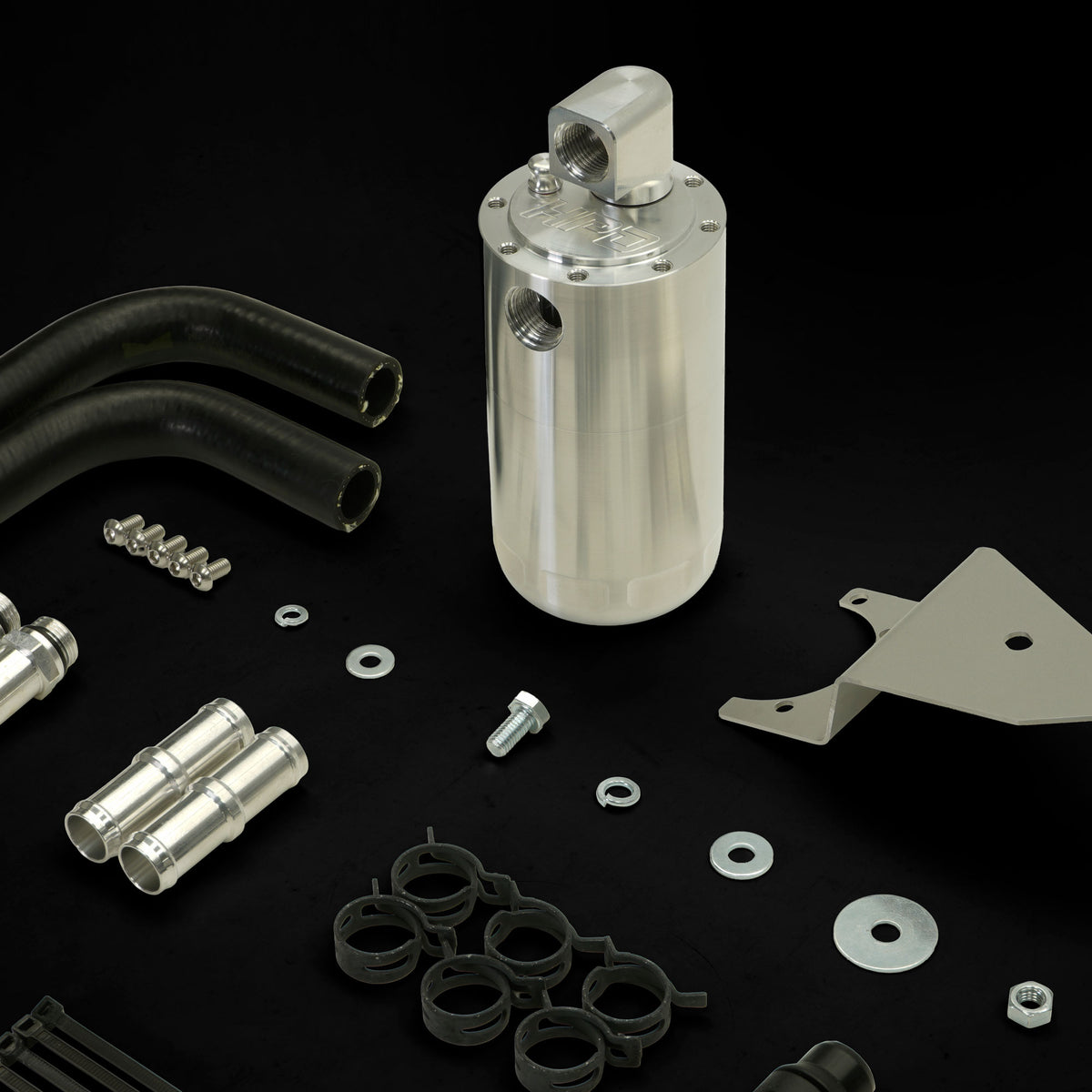
HPD billet catch cans
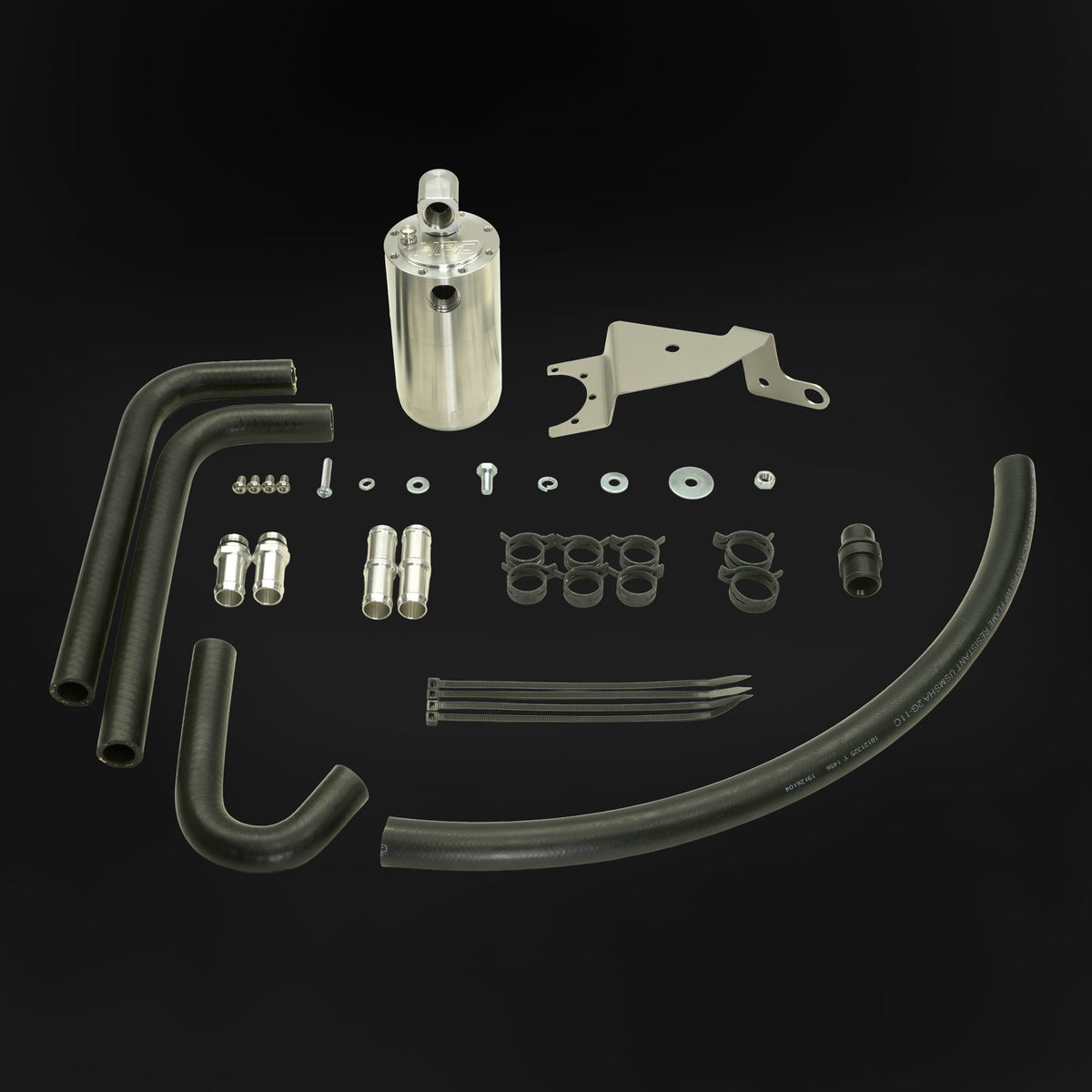
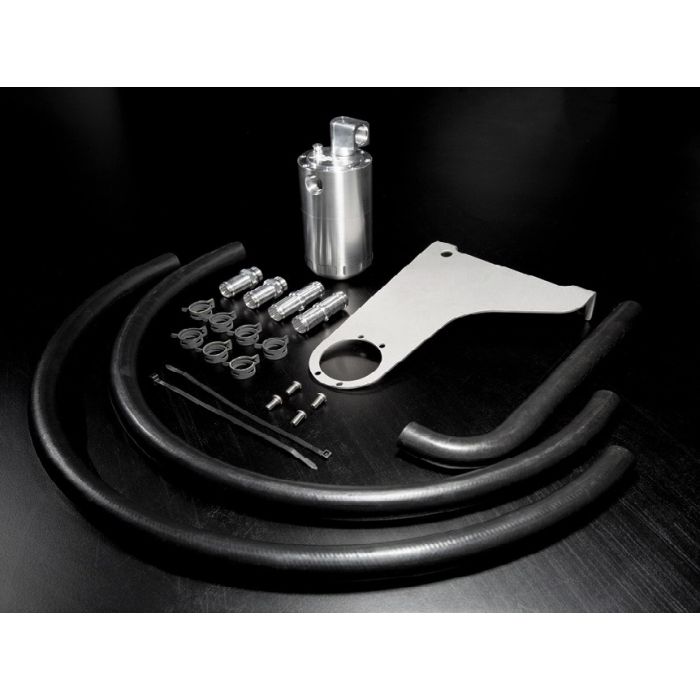
High Performance Diesel makes its cans in Australia, CNC machined from billet alloy, with brackets and hoses made for each engine bay. There's a kit for most popular 4x4s, including the Hilux 2.8, the 70 Series V8, the 200 Series, the Next Gen Ranger, the 2020-on D-Max and the Navara NP300. If yours isn't listed, there's a universal kit.
ATI ProVent kits
The ATI kits are built around a genuine Mann and Hummel ProVent 200, a separator with a replaceable filter element and a built-in pressure relief valve. They come with a vehicle-specific stainless bracket and all the hoses. We list them for the PX Ranger, Everest and BT-50 and the Navara NP300.
Looking after it
A catch can only works if you empty it. How fast it fills depends on the engine and how it's driven, so check it every few thousand kilometres at first until you know your vehicle's rate, then drain it at every service at the latest.
What comes out is a mix of oil and water, and it's often milky in winter because of condensation. That's normal. Dispose of it with your waste oil.
If your can has a filter element, replace it at the interval the manufacturer gives. A blocked element can raise crankcase pressure, which is the opposite of what you want.
Common questions
Will a catch can void my warranty?
It depends on the manufacturer and the dealer, so ask before fitting one to a vehicle that's still covered. A properly fitted and maintained catch can keeps the breather system closed, as the factory one is.
Is a catch can legal?
A closed system that returns the filtered vapour to the intake keeps the emissions system intact. Venting the breather to atmosphere is a different matter and isn't legal on a road vehicle.
Does a catch can add power?
No. It protects the engine's breathing over the long term, and you won't feel anything the day you fit it.
Can I fit one myself?
Vehicle-specific kits are a bolt-on job with basic tools and usually take an hour or two. Route the hoses without kinks or low spots where oil can pool.