 is here! Shop now, pay later in 4 easy instalments


Winch ratings look simple. A 12,000lb winch pulls 12,000lb, your ute weighs less than that, job done. Then you learn that the number on the box only applies under conditions you'll almost never have in a real recovery.
Here's how to pick a size that works when the vehicle is properly stuck.
The 1.5 times rule
The usual guideline is to choose a winch rated for at least 1.5 times your vehicle's loaded weight. Use the weight it actually is on a trip, with bar work, fuel, water, gear and passengers, which is often close to its GVM.
The reason for the margin is that a bogged vehicle takes far more force to move than its weight alone. Mud suction, sand piled against the wheels and an uphill slope all add to the load.
| Loaded weight | Minimum winch rating | Typical vehicles |
|---|---|---|
| Up to 1,800kg | 6,000lb | ATVs, side-by-sides, small 4x4s |
| Up to 2,900kg | 9,500lb | Lighter utes and wagons |
| Up to 3,600kg | 12,000lb | Loaded dual cabs and large wagons |
One pound is about 0.45kg, so a 9,500lb winch pulls roughly 4,300kg and a 12,000lb winch roughly 5,400kg.
Why the rating flatters the winch
A winch makes its rated pull only on the first layer of rope around the drum. Each extra layer increases the drum's effective diameter and reduces the pull. With most of the rope still wound on, a winch may be giving you well under its rated figure.
You can manage that in two ways. Run out more rope before you start, so you're pulling from the lower layers. Or rig a double line pull through a recovery ring, which roughly doubles the force at the vehicle. We explain how in snatch ring vs snatch block.
Is bigger always better?
For most touring 4x4s, a 12,000lb winch is a sensible default. Loaded dual cabs often weigh more than their owners think, and the extra capacity costs little.
There are limits, though. A bigger winch can draw more current, and it's only as strong as what it's bolted to. The bullbar or winch cradle and its mounts have to be rated for the load. Check what your bar is rated for before you buy.
The winches we stock
Our winch range runs from trailer winches to truck winches.
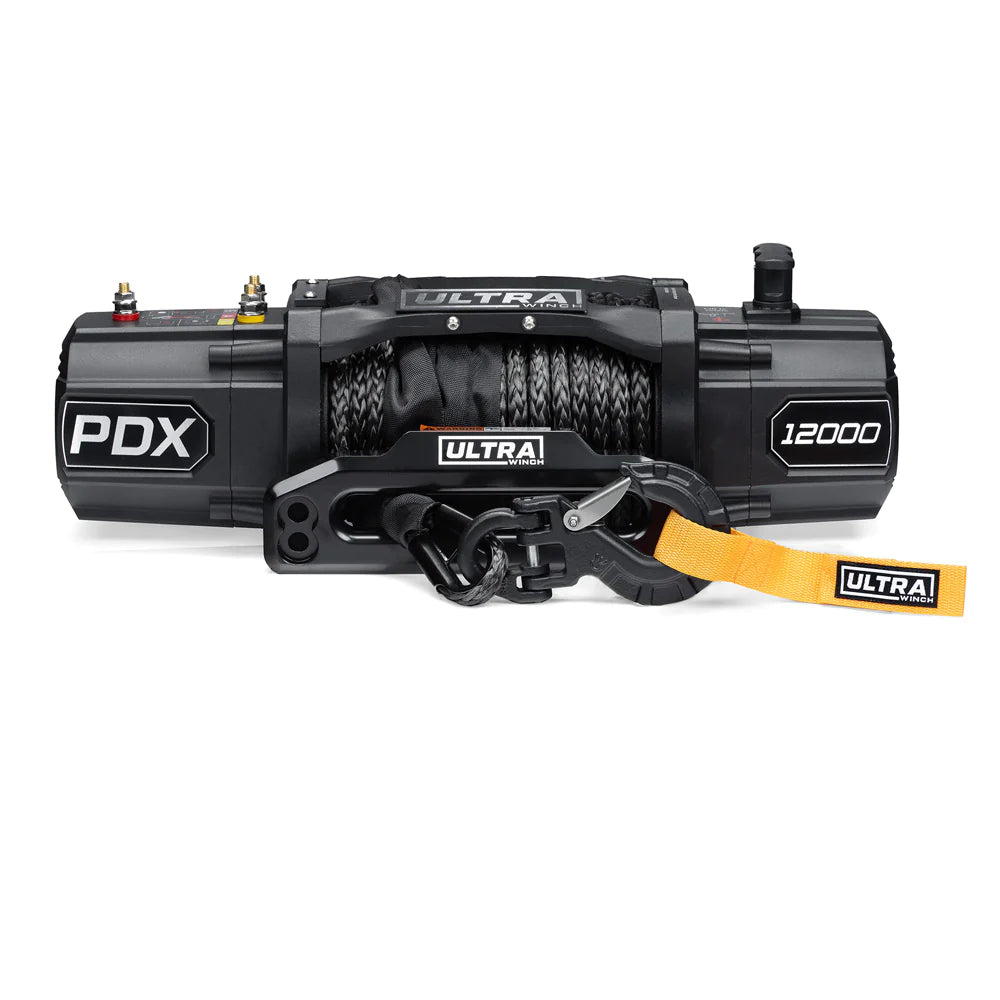
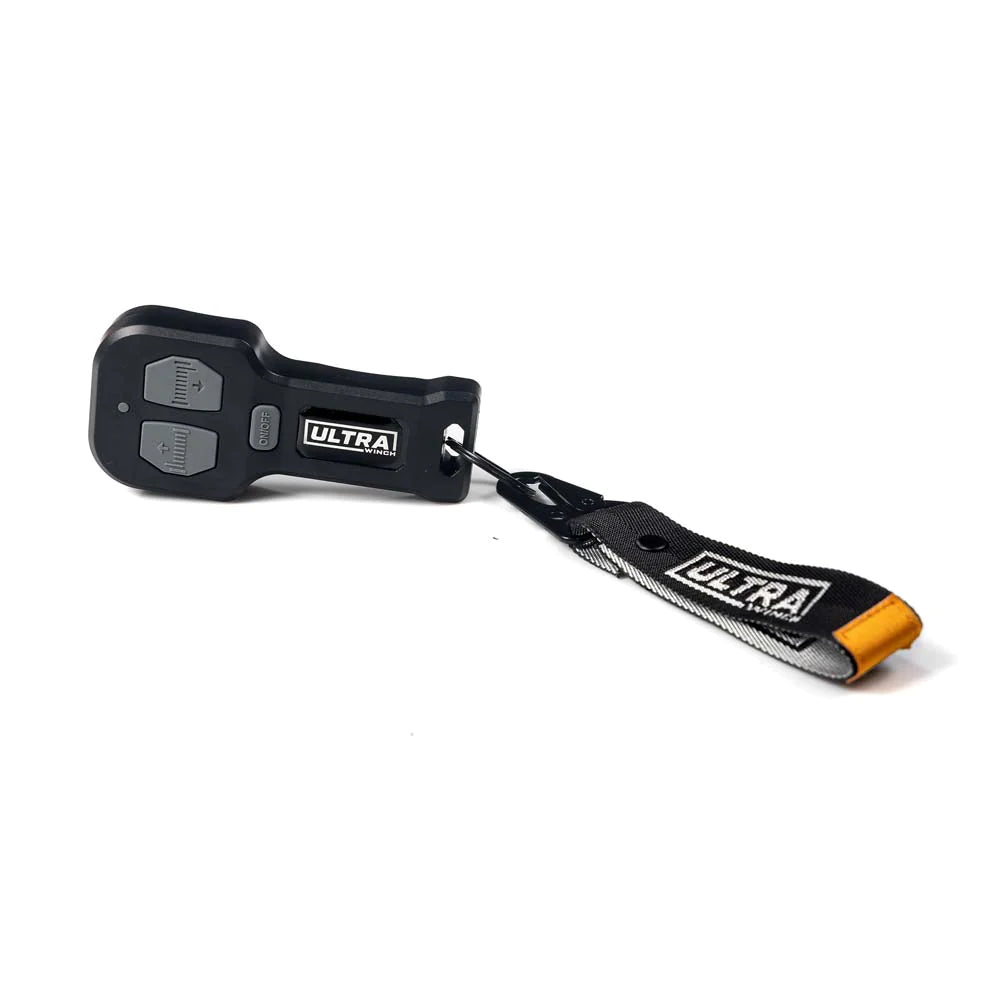
- The Ultra Winch PDX MK4 comes in 9,500lb and 12,000lb versions with synthetic rope, a fairlead, a hook, and wired and wireless remotes in the box. It has a lifetime mechanical warranty and a 7 year electrical and water ingress warranty.
- The Ultra Winch RDX is a 12V low-mount winch offered in several output levels on one mounting pattern, with synthetic rope and both remotes included.
- The Carbon 12K V3X is a 12,000lb winch with a 6HP motor and an IP68 rating. This listing is the winch only, so the remote, rope, fairlead, hook and cabling are bought separately. The Carbon accessory kit covers those.
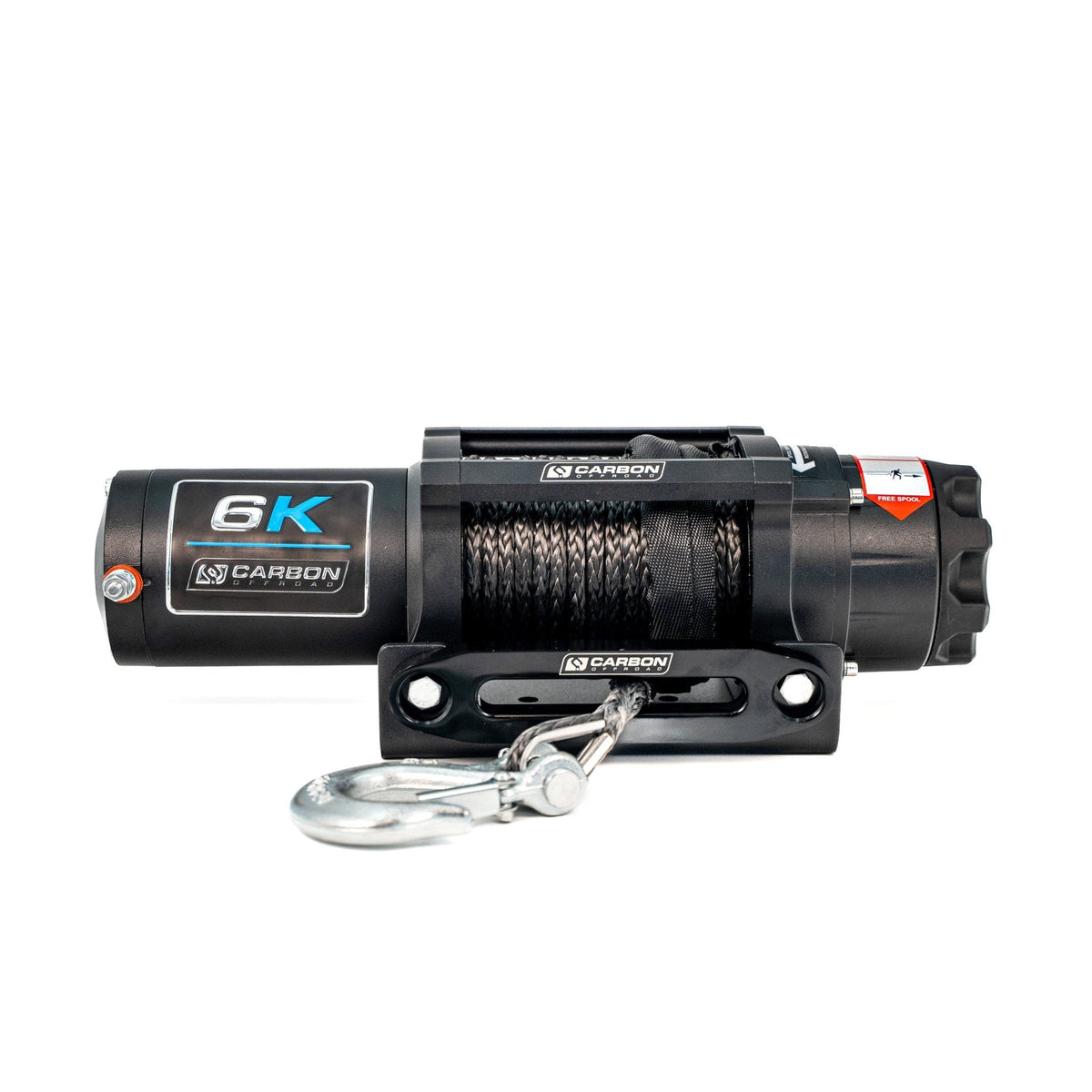
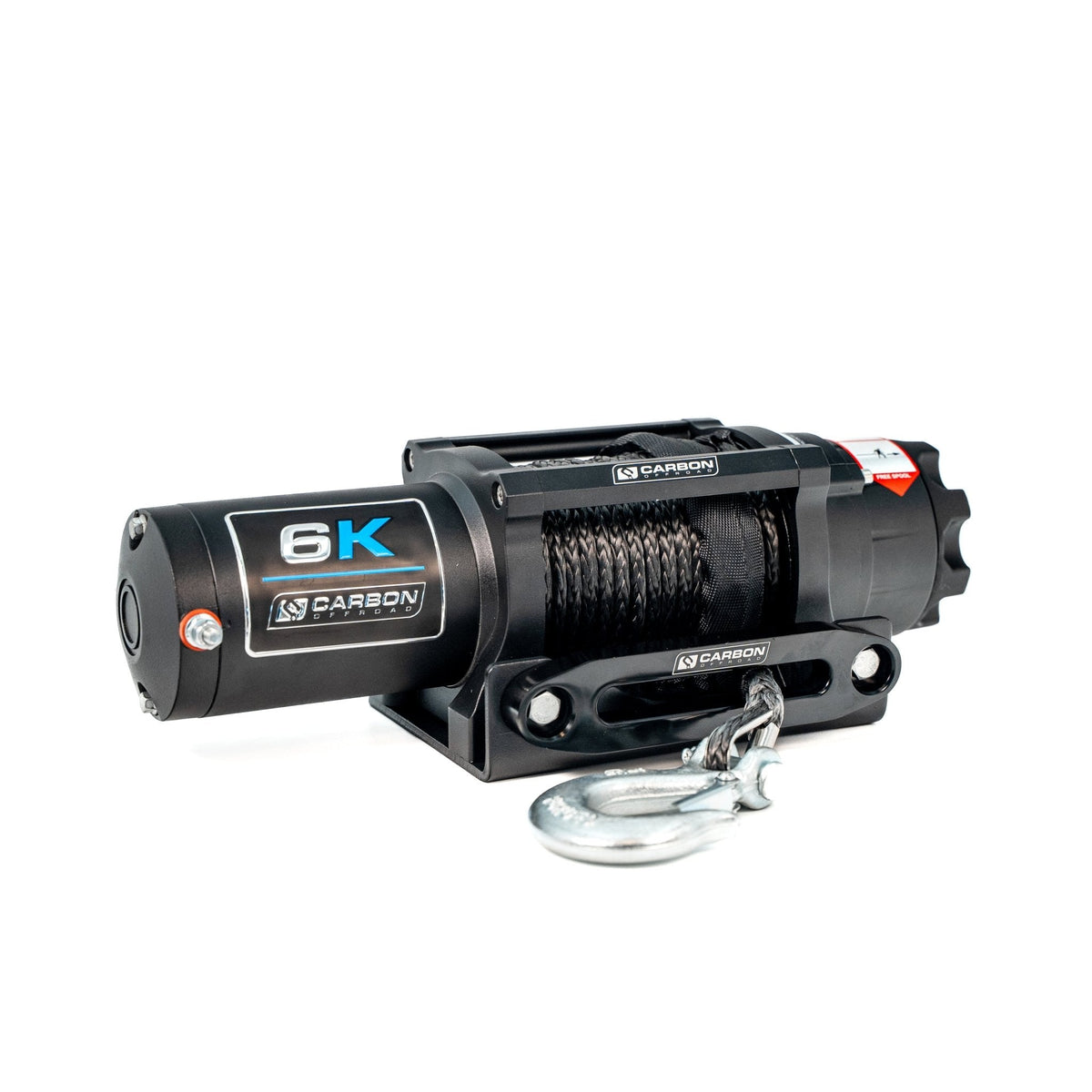
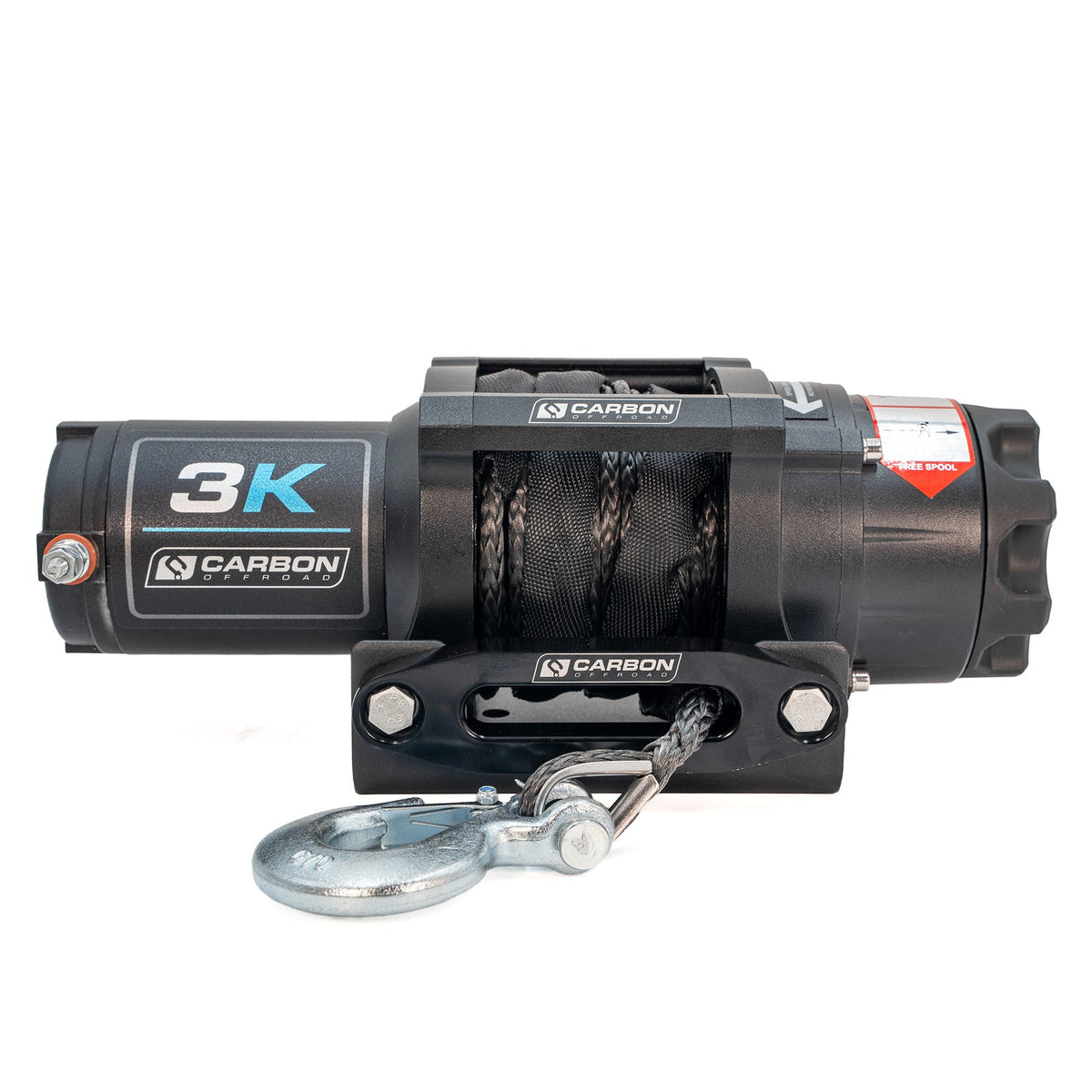
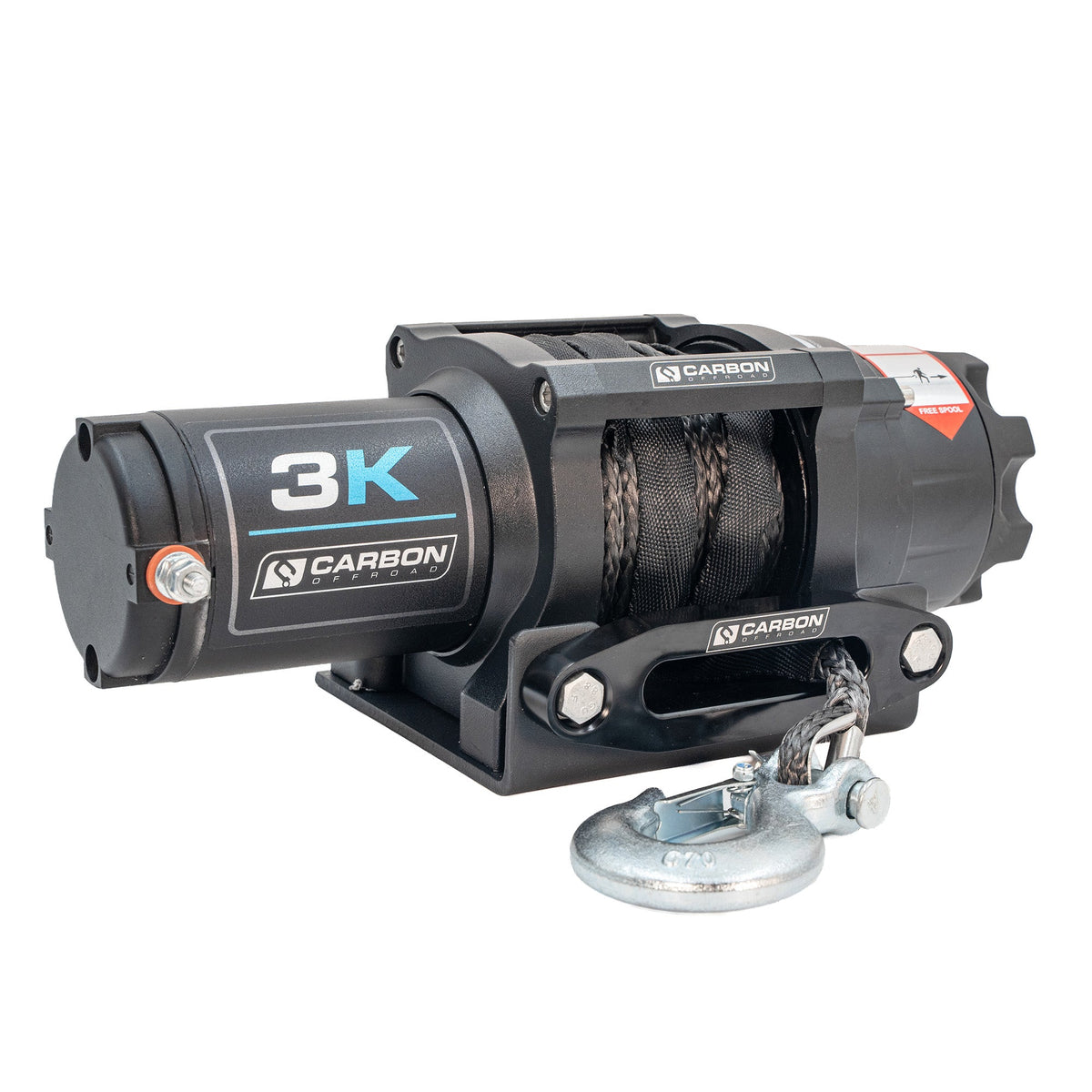
- For ATVs, side-by-sides and small 4x4s there are 6,000lb Carbon winches, and for trailers there are 3,000lb and 4,500lb models.
When comparing prices, check what's included. A winch sold complete and a winch-only listing can look very different on the page and end up close once you add the missing parts.
Synthetic rope or steel cable?
Nearly all new 4x4 winches come with synthetic rope, and we'd choose it. It's much lighter, it floats, it's easier on your hands, and it stores far less energy if it breaks. It does need more care: keep it clean, keep it away from sharp edges and hot exhausts, and replace it when it's visibly worn.
What else to budget for
A winch on its own gets you part of the way. For a safe recovery you also want:
- A recovery ring and soft shackle for double line pulls and redirects.
- A tree trunk protector for an anchor.
- A winch dampener to lay over the line.
- A rope extension for when the nearest anchor is further away than your rope is long.
- Rated recovery points on the vehicle.
Common questions
Is a 9,500lb winch enough for a dual cab ute?
For a lightly loaded ute it meets the 1.5 times rule. Once you add a bar, canopy, drawers and touring gear, many dual cabs are heavy enough that 12,000lb is the safer choice.
Do I need a second battery to run a winch?
No, but a winch draws a lot of current. Keep the engine running while you winch and pull in short bursts so the battery and the motor can recover.
Can I fit a winch to a standard bumper?
Generally no. A winch needs a winch-compatible bullbar or a cradle that's rated for the load.
How often should I use my winch?
Spool it out and back in under light load every few months. It keeps the rope laid properly and tells you it works before you need it.