 is here! Shop now, pay later in 4 easy instalments


If you drive a ute with a canopy, or a wagon packed to the roof for a trip, your rear view mirror shows you the inside of your own vehicle. That's the main reason mirror dash cams have caught on with 4x4 owners. They record like any dash cam and they give you your rear view back.
They aren't the right pick for everyone, though. Here's how the two types compare.
How each one works
A standard dash cam is a small camera stuck to the windscreen, usually behind the mirror. It records the road ahead, and most kits include a second camera for the rear window. You check footage on a small built-in screen or on your phone.
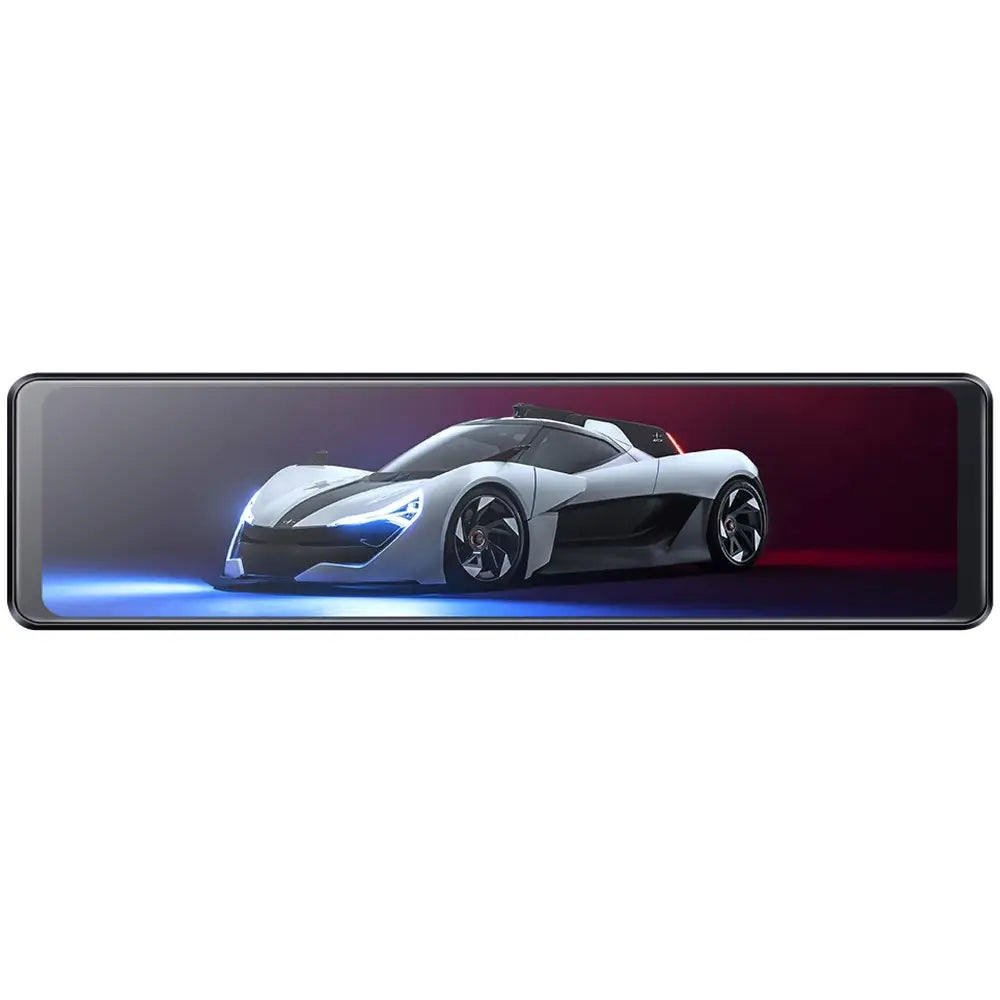
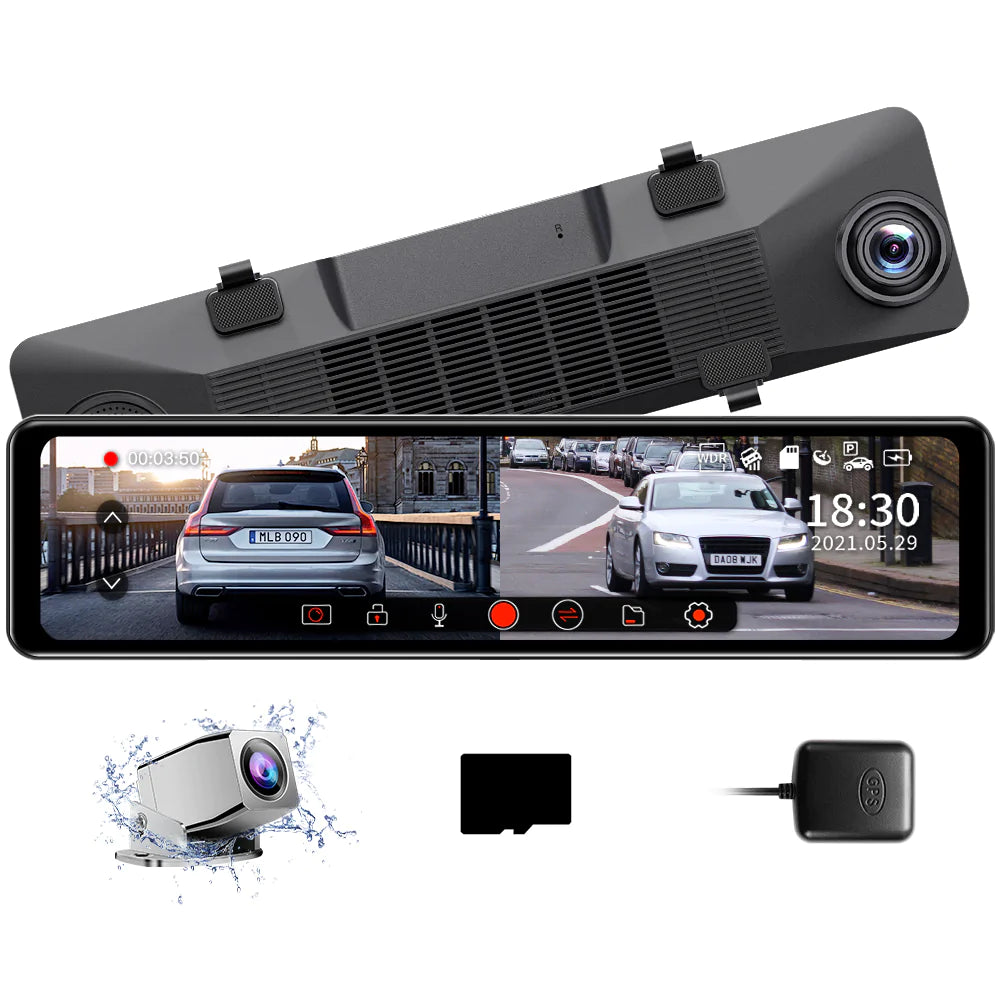
A mirror dash cam straps over your existing mirror, or replaces it. The front camera is built into the unit and a rear camera mounts at the back of the vehicle. The mirror surface is a wide touchscreen that shows the live rear camera feed, and it works as a normal mirror when you switch the screen off.
Where a mirror dash cam is better
Seeing past a load
The rear camera sits outside or at the back of the vehicle, so headrests, passengers, a canopy or a cargo barrier don't block it. For a ute with a canopy this is the biggest gain.
A wider view
A rear camera lens sees more than a mirror does, which shrinks the blind spots either side.
Reversing
Wired to the reverse light, a mirror cam switches to a reversing view with guide lines when you select reverse. If your 4x4 has no factory camera, you get one as part of the deal.
Where a standard dash cam is better
Simplicity
A front-only or front-and-rear windscreen camera is quicker to fit and has less cable to run.
Out of sight
A small camera tucked behind the mirror is hard to spot from outside and doesn't change how the cabin looks.
Your eyes
Looking at a screen is different from looking at a mirror. Your eyes focus on the screen surface, where with a mirror they focus at distance. Most people adjust within a few days, and some never like it. Bright sun can also wash out a screen more than it does glass.
Side by side
| Mirror dash cam | Standard dash cam | |
|---|---|---|
| Rear view with a canopy or full load | Clear | Blocked |
| Reversing camera | Yes, when wired to reverse | No |
| Fitting | More cable to run | Simpler |
| Visibility from outside | Looks like a mirror | Small and hidden |
| Getting used to it | A few days | None |
What to look for in either type
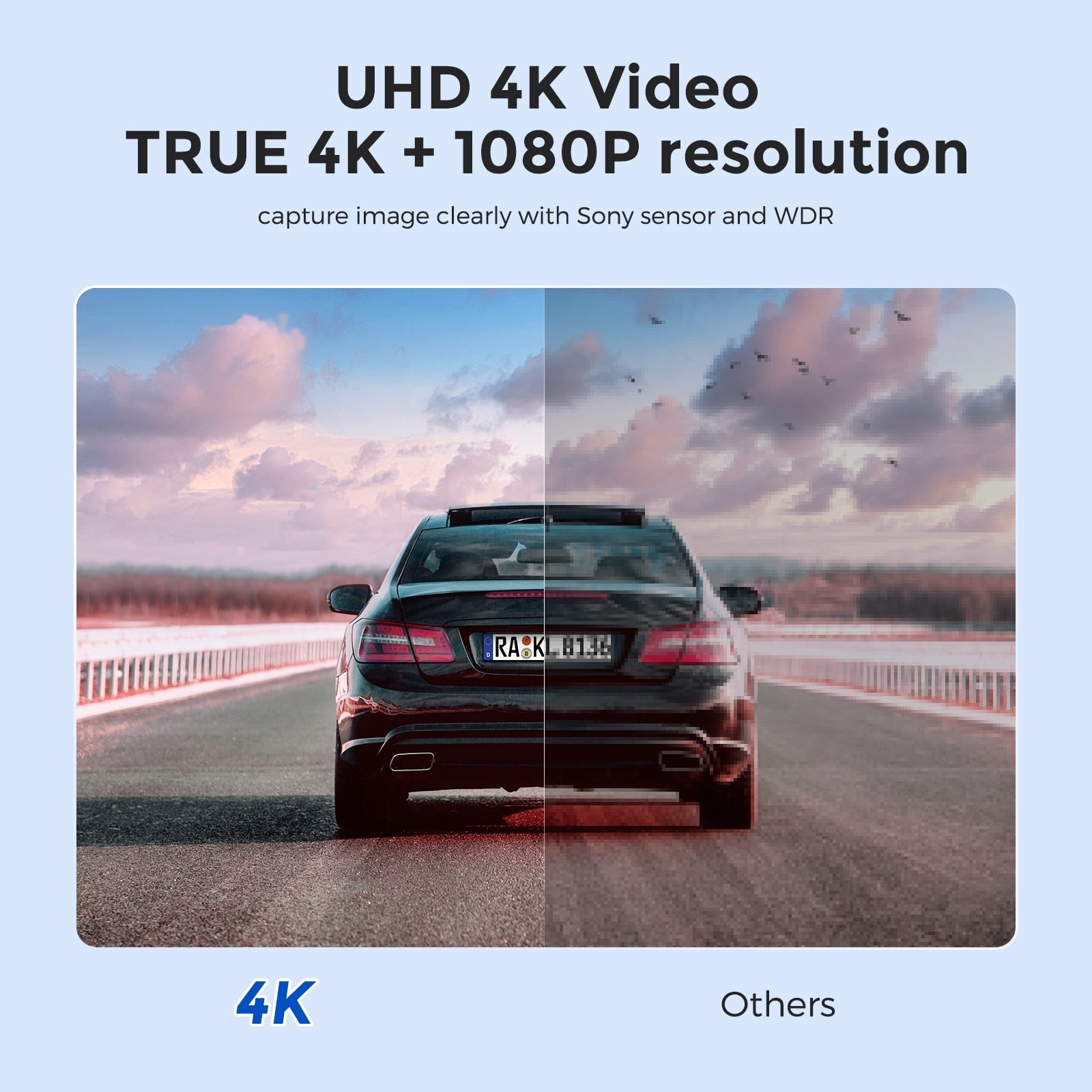
- Resolution. 4K at the front makes number plates readable at a greater distance than 1080p. That's usually the detail you need after an incident.
- GPS. It stamps speed and location onto the footage, which helps with an insurance claim.
- A supercapacitor in place of a lithium battery. A dash cam lives behind glass in the sun, and supercapacitors cope with heat far better.
- Parking mode. The camera wakes and records if the vehicle is bumped while parked. It needs a hardwire kit to the fuse box to work with the ignition off.
- A good memory card. Dash cams rewrite the card constantly, so use a high-endurance card and replace it every year or two.
The Azdome range we stock
We carry four Azdome dash cams, two of each type.
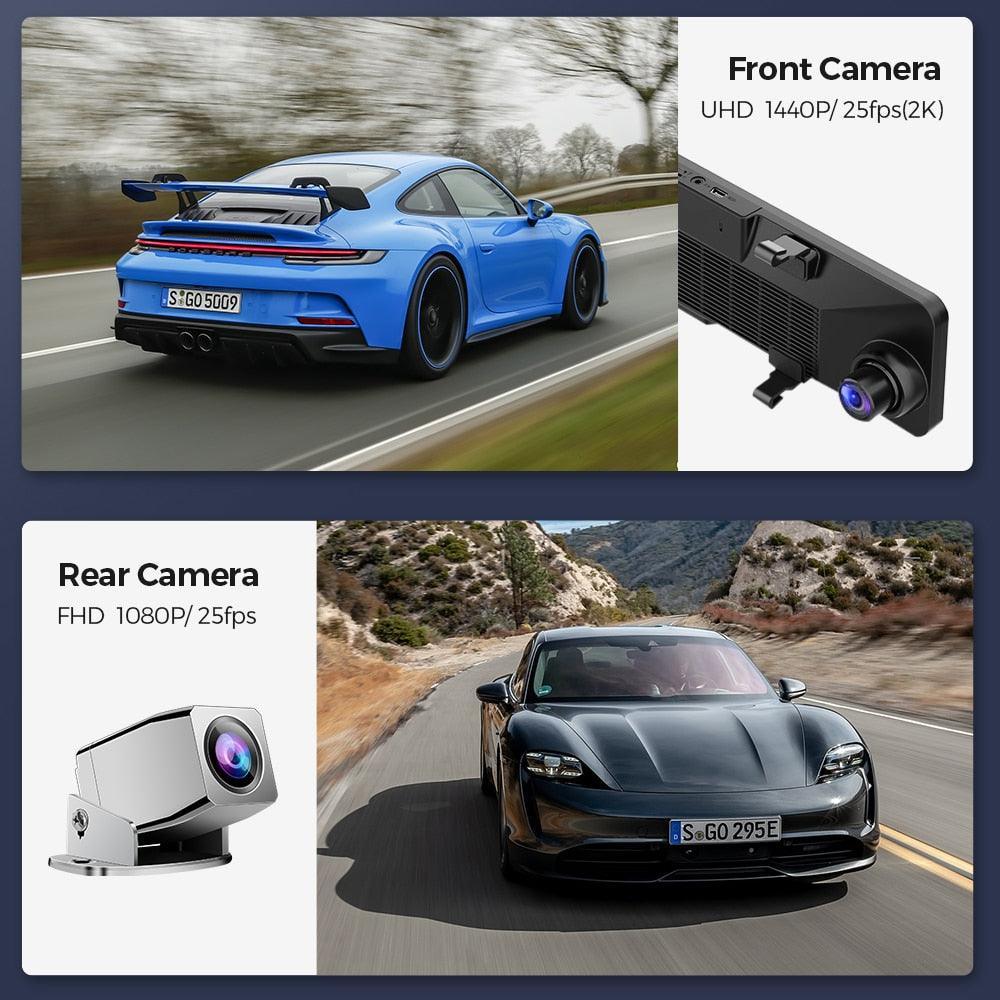
- The PG19X is a mirror cam with a 12 inch touchscreen, a 4K front camera, a 1080p rear camera, GPS, parking monitoring and a supercapacitor.
- The PG18S is a mirror cam with an 11.88 inch touchscreen, split-screen front and rear view, GPS and parking assist when reversing.
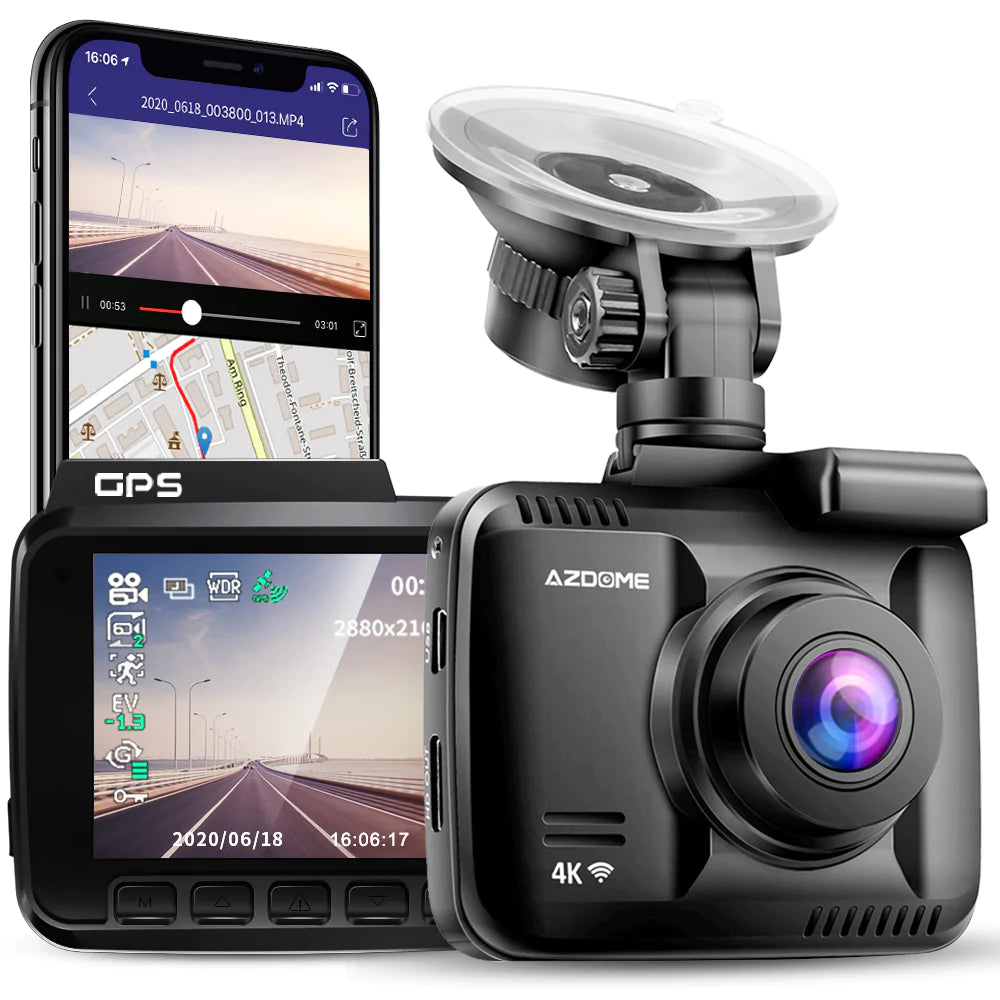
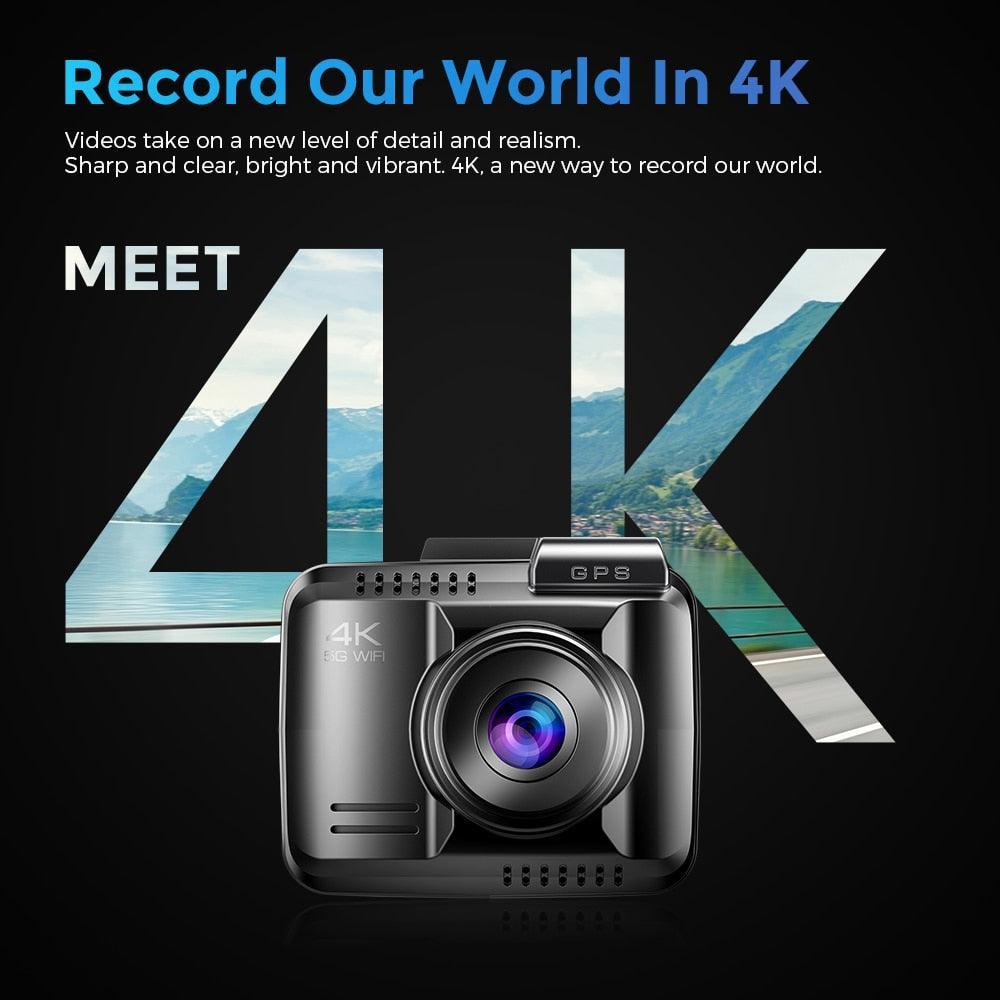
- The GS63Pro is a standard dash cam with a 4K front camera using a Sony sensor, a 1080p rear camera and a supercapacitor.
- The M27 is a compact standard dash cam that records in 2K, with GPS and built-in WiFi for viewing footage on your phone.
Which should you buy?
If your rear view is blocked most of the time, or you want a reversing camera as well, get a mirror dash cam. If your rear window is clear and you want something small that you fit once and forget, get a standard one.
Common questions
Are mirror dash cams legal in Australia?
A dash cam is legal to use provided it doesn't obstruct your view of the road and you don't operate it while driving. A mirror cam sits where the mirror already is, and it still works as a mirror with the screen off.
Does a mirror dash cam fit any vehicle?
Strap-on units fit over most standard mirrors. Check the size of your mirror and whether it has sensors or a housing behind it that could get in the way.
Where does the rear camera go on a ute?
Usually at the top of the canopy's rear window or near the number plate. Mounting it outside gives the clearest view, so check that the camera in your kit is rated for it.
Will a dash cam drain my battery?
Plugged into a socket that switches off with the ignition, no. In parking mode it draws a small current, and a hardwire kit with a low-voltage cut-off stops it flattening the battery.