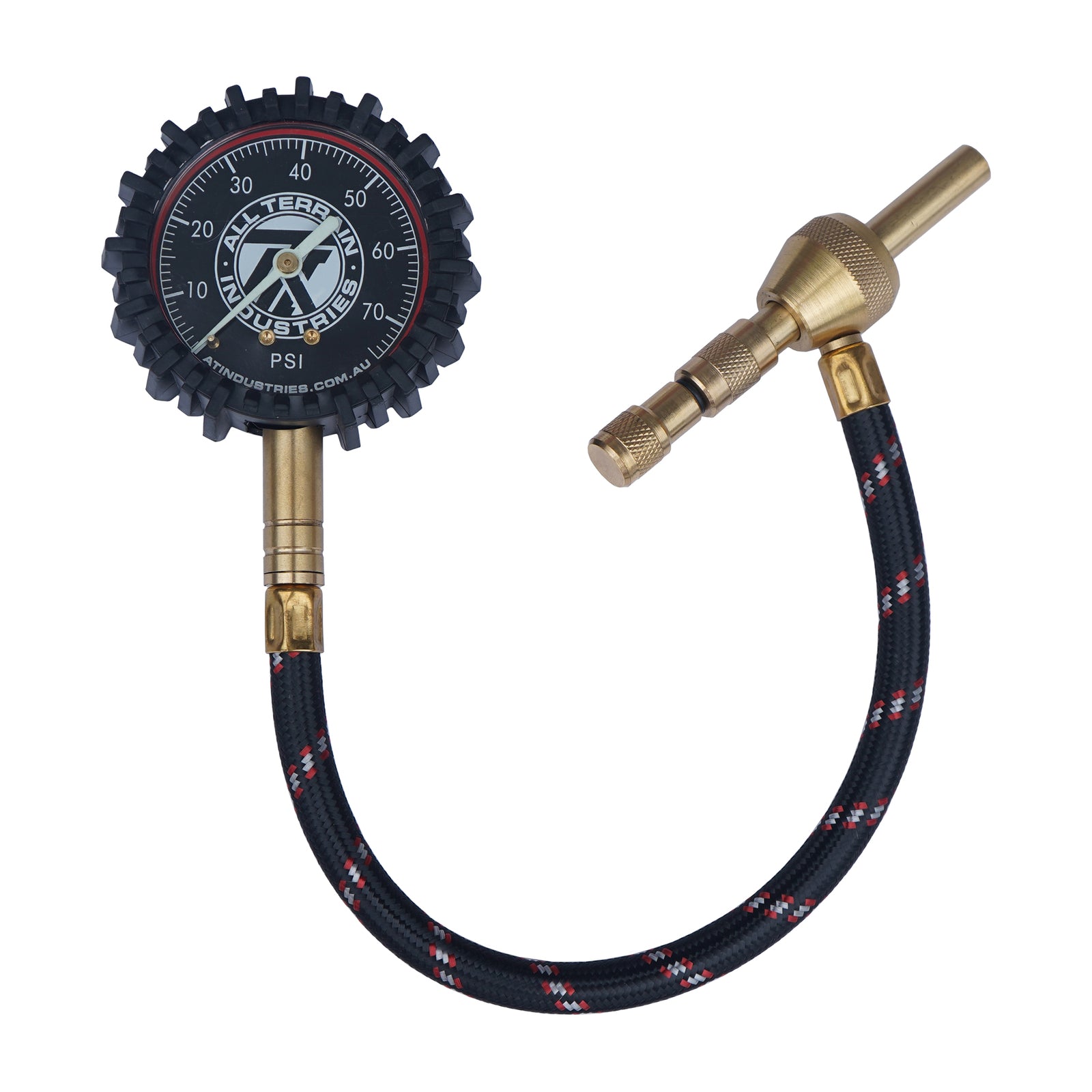
 is here! Shop now, pay later in 4 easy instalments

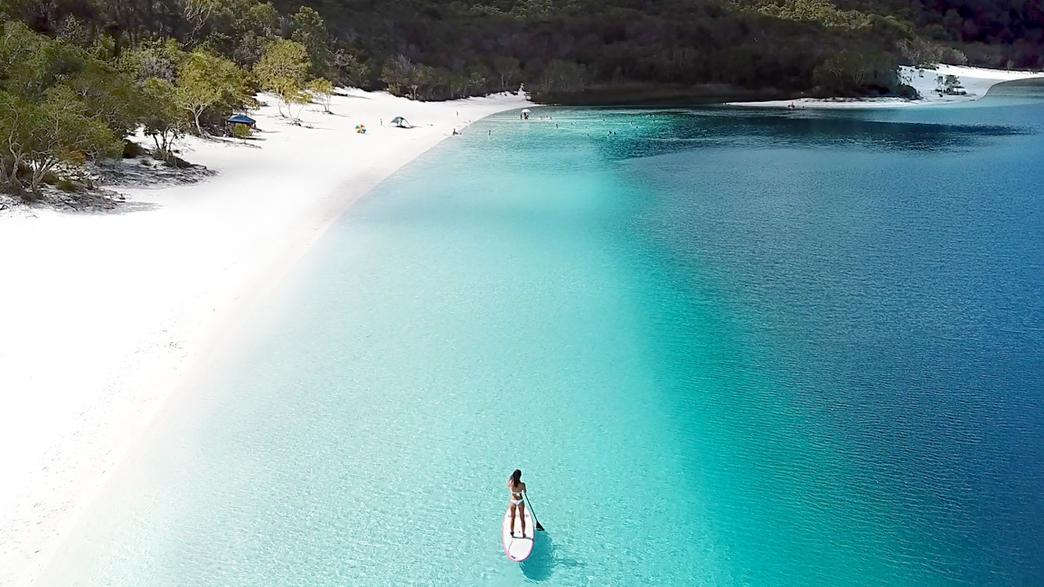
Australia has thousands of beaches and only a small number you're allowed to drive on. The good ones are long, open and legal, and a few of them double as gazetted roads with speed limits and police patrols.
These five are among the best known. Permit rules, access points and closures change, so check with the local parks service or council before you go, and always check the tide times.
1. 75 Mile Beach, K'gari (Fraser Island), Queensland
K'gari is the world's largest sand island, and 75 Mile Beach on its eastern side is the main highway. You share it with tour buses and light aircraft, which use a marked section as a landing strip. Along the way are the Maheno shipwreck, Eli Creek and the coloured sands at the Pinnacles.
You need a vehicle access permit, and the island's inland tracks are soft and slow. Plan beach travel for the hours either side of low tide. Dingoes live on the island, so follow the parks service's rules about food and children.
2. Teewah Beach and Rainbow Beach, Cooloola, Queensland
The beach run from Noosa North Shore up to Double Island Point and on to Rainbow Beach is part of the Great Beach Drive. It's close enough to Brisbane for a weekend, and it passes the coloured sand cliffs and the lagoon at Double Island Point.
A vehicle access permit is required. The rocks near Rainbow Beach catch people every year, because they can only be passed around low tide. If you're not sure, use the inland Freshwater Road bypass.
3. Stockton Beach, New South Wales
Stockton Beach runs north from Newcastle for about 30km, backed by the largest moving coastal dunes in the southern hemisphere. It sits within the Worimi Conservation Lands, and it's one of the few places in NSW where you can drive on a beach and through a designated dune area.
You need a permit, and vehicles must stay within the marked driving zones. The sand here is soft and the dunes change shape constantly, so it's a good place to learn with other vehicles around.
4. Cable Beach, Broome, Western Australia
Cable Beach is 22km of white sand facing the Indian Ocean. Vehicles are allowed on the section north of the rocks, and parking up there for sunset is a Broome tradition.
The tides in Broome are among the biggest in Australia, and the water comes in fast across a very flat beach. Park well up the beach and check the tide chart before you settle in. Access can be closed around very high tides and during turtle nesting season.
5. Robe to Beachport, South Australia
The Limestone Coast between Robe and Beachport is a long way from the easy beach cruising further north. The route runs through Little Dip Conservation Park over a mix of beach, dunes and limestone tracks, and the sand is some of the softest in the country.
It's a trip for experienced drivers, in a group, with recovery gear and very low tyre pressures. Long Beach at Robe is a gentler option nearby if you want a firm beach to park on for the day.
Before you drive on any beach
Let your tyres down
This is what stops most people getting stuck. Start around 16 to 18 psi before you leave the hard ground and go lower if the vehicle is labouring. Our tyre pressure guide covers the details, and a tyre deflator gets all four done in a few minutes. Carry a compressor to pump back up afterwards.
Know the tide
Drive on the firm sand below the high tide line, within a couple of hours of low tide. If the tide is coming in and you're not sure you can make it past a headland or a creek, wait.
Carry recovery gear
Recovery boards and a long-handled shovel are the basics. If you're travelling with another vehicle, both need rated recovery points. A recovery hitch gives you one at the rear. Never recover from a tow ball.
Watch your transmission
Soft sand works an automatic hard. If you do a lot of beach driving, read do you need a transmission cooler?
Wash it afterwards
Salt water and sand get into everything. Hose the underbody, the chassis rails and the brakes as soon as you can.
Common questions
Do I need a permit to drive on the beach?
At K'gari, Cooloola and Stockton, yes. Rules vary elsewhere, so check with the local parks service or council for the beach you're planning to visit.
Can any 4x4 drive on the beach?
A 4x4 with low range and reasonable clearance will handle firm beaches with the tyres let down. All-wheel-drive SUVs can struggle in soft sand.
What tyre pressure should I use on sand?
Start at 16 to 18 psi for most 4x4s and adjust from there.
Do normal road rules apply on a beach?
On gazetted beaches like 75 Mile Beach, yes. Speed limits, seat belts, licensing and drink driving laws all apply.